Affiliate Disclosure:This article contains affiliate links. If you purchase through our links, we may earn a small commission at no extra cost to you. We only recommend gear we've tested or would genuinely use ourselves.
buying guide • May 13, 2026 • 15 min read · The Bite Intel Team
Best Kayak Fishing Dry Bag: Complete Buyer's Guide
The wrong bag leaks. The right one keeps your phone, wallet, and keys bone dry through a capsize. Here's what to look for — and 6 worth buying.
Your first capsize teaches you the lesson fast: a "water-resistant" bag means your phone is a $1,000 paperweight, and your truck keys are somewhere at the bottom of the lake.
Kayak anglers live close to the water. Waves, paddle splash, a rogue wake from a passing motorboat — even a routine launch can drench your cockpit. A real dry bag keeps water out under pressure, not just during light rain. This guide breaks down exactly what separates a useful dry bag from a waste of $25, and names six solid options for kayak anglers.
Quick Comparison
| Product | Rating | Price | Best For | Link |
|---|---|---|---|---|
| Earth Pak Dry Bag | 4.5/5 | $$ | Best overall value | Check Price |
| MARCHWAY Floating Dry Bag | 4.3/5 | $ | Budget pick — floats if dropped | Check Price |
| Sea to Summit Hydraulic Dry Pack | 4.6/5 | $$$ | All-day trips / backpack style | Check Price |
| NRS Bill's Bag | 4.4/5 | $$ | Rough water / most trusted brand | Check Price |
| Yeti Panga Dry Bag | 4.7/5 | $$$$ | Buy-it-for-life / indestructible | Check Price |
| Skog Å Kust DrySåk | 4.2/5 | $$ | Clear panel to see contents | Check Price |
Earth Pak Dry Bag — Best Overall
4.5/5Earth Pak ends up in more kayak cockpits than any other dry bag. It's not the fanciest option on this list, but it does the one thing that matters — keeps water out — at a price that doesn't sting if you drop it overboard.
The 500D PVC tarpaulin handles being dragged over rocks, shoved into a kayak hatch, and sat on without complaint. The IPX8-rated roll-top closure creates a genuinely watertight seal when you roll it down at least three times and clip the buckle. Available in 5L, 10L, 20L, 30L, and 40L — most kayak anglers grab the 20L for full-day trips. Brightly colored options (orange, red) double as a visual marker if you drop it overboard.
What it doesn't do well: PVC gets stiff in cold weather and carries a plastic smell when new that takes a few weeks to air out. The included phone pouch is barely usable — skip it and grab a dedicated waterproof phone case instead.
Pros
- Genuinely IPX8 waterproof — not just 'resistant'
- Thick 500D PVC holds up to years of abuse
- Available in five sizes for different loads
- Highly visible colors for overboard safety
- Excellent value for the quality
Cons
- PVC stiffens in cold weather
- Strong plastic smell when new
- Bundled phone pouch is unreliable
MARCHWAY Floating Waterproof Dry Bag — Best Budget Pick
4.3/5Most dry bags sink. The MARCHWAY floats — and that single feature earns it a spot on this list.
If you're paddling open water, a busy lake, or anywhere you might get separated from your gear in a capsize, a bag that floats back up to you is worth more than a slightly better closure system. The 500D PVC construction is IPX8 rated, identical in quality to bags costing twice as much. Roll-top closure, removable shoulder strap, welded seams — everything you need, nothing you don't.
The 20L handles a phone, wallet, keys, snacks, a light rain layer, and a small first aid kit without feeling overstuffed. For under $25, the MARCHWAY is hard to argue against.
One catch: a bag floats because it traps air. Overfill it and the float height drops. Leave a little room at the top — don't pack it to the brim and expect it to ride high.
Pros
- Floats when sealed — a genuine safety advantage
- IPX8 waterproof at a budget price point
- Welded seams hold up to real water pressure
- Multiple sizes and color options available
Cons
- Overfilling reduces buoyancy
- Strap stitching wears faster than premium options
- Exterior finish scratches more easily
Sea to Summit Hydraulic Dry Pack — Best for All-Day Trips
4.6/5If you're on the water all day and need to carry everything — lunch, layers, camera, first aid kit, extra lures, sunscreen — the Sea to Summit Hydraulic Dry Pack is a different category from the roll-top cylinder bags above.
The TPU laminate shell is lighter and more packable than PVC while being just as waterproof. Padded shoulder straps and a sternum strap let you actually hike to a remote put-in without your back giving out. An external zippered pocket handles quick-access items like sunglasses and lip balm. Available in 25L and 35L, and rated to submersion depth.
At $65–$80 it's a commitment, but if you're doing long paddles, portaging between water, or multi-spot days where you're loading and unloading gear, the comfort alone justifies it.
Pros
- Padded shoulder straps — wearable for long hikes to put-ins
- Lightweight TPU packs down smaller than PVC
- External pocket for quick-access items
- Submersion-depth waterproof rating
- Functions as an everyday backpack off the water
Cons
- Significantly more expensive than roll-top bags
- External pocket is not fully waterproof
- More than you need for short paddles
NRS Bill's Bag — Most Trusted by Paddlers
4.4/5NRS (Northwest River Supplies) has been outfitting river guides and serious paddlers since 1972. The Bill's Bag is their go-to dry bag, and it shows.
The 10-oz vinyl is noticeably heavier and more abrasion-resistant than the 500D PVC on budget bags — the kind of material that handles a Class IV swim without blinking. The roll-top closure seals tighter than cheaper alternatives. Available from 5L to 60L, including a 30L that sits cleanly inside most fishing kayak hatches.
NRS isn't just a brand name — it's a signal. If a river guide recommends a piece of gear, it's because their gear doesn't get a second chance to fail. The Bill's Bag earns that trust.
Pros
- Heavy 10-oz vinyl is genuinely bombproof
- Trusted by professional river guides
- Wide range of sizes including a large 60L
- Tighter roll-top seal than budget alternatives
Cons
- Heavier than lighter-material options
- More expensive than comparable PVC bags
- May need to order direct from NRS if not in stock on Amazon
Yeti Panga Dry Bag — Best Buy-It-for-Life Option
4.7/5The Yeti Panga is the only bag on this list that feels like it could survive a tumble dryer. RF-welded seams with no stitching to blow out, a HydroShield magnetic closure that opens and closes one-handed, and a thermoplastic polyurethane shell tougher than most coolers.
It's overkill for a calm pond, and the $120–$200 price tag stings the first time you see it. But Yeti builds this thing to replace three cheaper bags over the same decade.
The 28L handles everything for a full day trip. The 50L covers overnight fishing camps. The HydroShield magnetic closure is noticeably easier to operate with wet hands than a roll-top — one quick pull and it's sealed. Backed by the Yeti warranty.
Pros
- RF-welded seams — no stitching to fail under pressure
- HydroShield magnetic closure works with one wet hand
- Build quality that outlasts multiple budget bags
- Rigid enough to stand upright in the cockpit
- Backed by the Yeti warranty program
Cons
- Expensive — $120 to $200 depending on size
- Heaviest bag on this list
- Rigid structure means it won't compress flat when empty
Skog Å Kust DrySåk — Best for Visibility
4.2/5The Skog Å Kust DrySåk solves a specific frustration: you can't see what's inside a solid-color dry bag without unrolling it. The clear TPU panel on the front changes that — you can identify your bag in a gear pile instantly and find items without opening it.
The waterproofing is IPX6 — tested to withstand water jets but not full submersion pressure. For flatwater kayak fishing, that's adequate most of the time. If a full capsize is a real possibility, step up to an IPX8-rated bag.
Build quality is solid for the price. The padded shoulder strap is comfortable. The clear panel is more useful on the water than it sounds in a product description. Comes in 5L to 30L.
Pros
- Clear panel lets you see contents without opening the bag
- Comfortable padded shoulder strap
- Well-constructed welded seams
- Good option for flatwater lakes and calm rivers
Cons
- IPX6 only — not rated for full submersion
- Clear panel can fog with temperature swings
- Wrong pick for rough water or high capsize risk
What to Look for in a Kayak Fishing Dry Bag
1. Waterproof Rating (the IPX Scale)
The "IPX" rating tells you what the bag has actually been tested against. For kayak fishing, two numbers matter:
- IPX6: Withstands powerful water jets from any direction. Fine for flatwater fishing, paddle splash, and rain.
- IPX8: Rated for continuous submersion — usually 1 meter for 30 minutes. Required if you paddle surf, tidal water, or anywhere a full capsize is genuinely possible.
Any bag labeled "waterproof" without a specific IPX rating is a marketing claim, not a specification. Skip it.
Warning
"Water-resistant" and "waterproof" are not the same thing. Without an IPX rating on the listing, assume the bag will leak under sustained water exposure.
2. Size and Volume
Bigger isn't always better. An oversized bag is harder to position in a kayak cockpit and harder to roll down tightly for a proper seal.
A practical sizing guide for kayak fishing:
- 5–10L: Phone, keys, wallet, ID. Pure electronics protection.
- 20L: The above plus snacks, a light rain layer, sunscreen, and a basic first aid kit. The right choice for most day trips.
- 30L+: Full change of clothes, a bulkier camera, gear for multi-spot or overnight trips.
Most anglers do best with a 20L primary bag and a separate 5–10L pouch for electronics only.
3. Closure Type
Roll-top is the standard and the most reliable when used correctly. Roll the top down at least three times before clipping the buckle. Three rolls minimum — five is better. Done right, a roll-top is extremely difficult to breach. Done sloppily (one fold and a quick clip), it leaks within minutes.
Magnetic closures (like the Yeti Panga's HydroShield) are easier to operate one-handed with wet gloves on. The quality of the seal depends entirely on the mechanism — a high-end magnetic closure is reliable; a cheap zipper closure is not.
Tip
After rolling your bag closed, give it a firm squeeze and watch for air escaping from any seam. If you see bubbles, re-roll tighter. If the same spot keeps leaking, the seam is failing.
4. Material: PVC vs TPU
500D PVC (polyvinyl chloride): The standard for mid-range dry bags. Heavy, stiff, extremely durable. Gets stiffer in cold weather and has more weight. Handles abrasion well — won't tear on a rocky bank.
TPU (thermoplastic polyurethane): Lighter, more flexible, compresses smaller. Better in cold temperatures. More expensive to produce. Preferred for backpack-style bags where weight matters.
For most kayak fishing — where you're storing the bag in a cockpit or hatch, not wearing it for miles — 500D PVC is the practical pick. It handles being sat on, shoved around, and dragged without complaint.
5. Welded vs Stitched Seams
Needle holes let water in under pressure. Any bag you trust in rough conditions should have RF-welded or heat-welded seams — no stitching where water can track along the thread. Check the seam area on the listing photos carefully. Some budget bags weld the exterior but stitch the interior, which still fails under sustained pressure.
6. Float Capacity
A bag that floats when dropped overboard is worth more than a slightly nicer closure system. Roll-top bags with trapped air float naturally when sealed and not overfilled. Some bags (like the MARCHWAY) are specifically tested and marketed for floating. If you're fishing open water or anywhere you could get separated from your gear in a capsize, prioritize this feature.
How to Use a Dry Bag the Right Way
Packing for Kayak Fishing
- Double-bag your most critical items. Your phone, keys, and wallet go in a small inner dry sack or a zip-lock bag before going into the main bag. Not paranoid — smart.
- Heavy items go in first. Keeps the bag lower in the cockpit and easier to roll closed.
- Leave 4–6 inches of material above your load before rolling. Less material above the contents = weaker seal. Don't overfill.
- Roll at least three times, then clip. Each roll doubles the barrier between your gear and the water. The buckle clip keeps the roll from unraveling — it doesn't add waterproofing on its own.
- Test the seal before you launch. Squeeze the sealed bag: if air escapes from any point, re-roll and check again.
Tip
Tether your dry bag to the kayak with a short bungee or clip when you're opening it on the water. It's easy to set it down, get a fish on, and watch your bag drift 50 yards downwind while you're fighting the hook.
Where to Position the Bag
- Behind the seat (sit-on-top kayaks): Most common position. Stays accessible and low in the boat.
- In a hatch: Protects from UV damage and keeps the cockpit clear — but means you're digging for it mid-paddle.
- Between your legs: Good spot for a small 5–10L bag with your phone and keys. Easy to grab fast.
FAQ
Do I need an IPX8 bag for flatwater kayak fishing?
IPX6 is technically sufficient for calm lakes and protected water. If you're fishing open water, coastal bays, or anywhere a sudden weather change is possible, buy IPX8. The price difference at any quality level is minimal — there's no good reason not to go IPX8.
What size dry bag do I need for a full day of fishing?
A 20L bag covers most day trips: phone, wallet, keys, snacks, light rain layer, sunscreen, and a small first aid kit. If you fish long days or run cold, step up to 30L. For electronics only, a 5–10L bag is all you need.
Can I use a dry bag as a kayak hatch liner?
Yes, and it works well. A 20–30L bag fits most mid-size kayak hatches, adds a backup waterproof layer, and keeps loose items from rattling around. Pick a bag with a flat enough base to stand upright in the hatch.
How do I actually test if my dry bag is sealing properly?
Roll it closed, squeeze it to trap some air, then submerge it in a bathtub or bucket. Watch for bubbles. Bubbles pinpoint the leak location — usually a failing seam or an incompletely rolled closure. Find the problem on shore, not on the water.
How long do dry bags last?
500D PVC bags typically last 3–7 years with regular use and UV exposure. TPU lasts longer in cold climates but degrades faster under sustained sun. Rinse the bag with fresh water after saltwater use and store it out of direct sunlight when not in use. Both materials will degrade faster if stored damp.
Can I put fishing tackle directly inside a dry bag?
You can, but bare hooks will eventually wear through lighter PVC and will damage TPU even faster. Keep hooks inside a small tackle box or wrapped in cloth. Never drop loose treble hooks into a dry bag and call it a day — you'll spend 10 minutes untangling them every time you open it.
Final Verdict
| Use Case | Best Pick | Why |
|---|---|---|
| Best overall | Earth Pak Dry Bag | IPX8 waterproofing, tough PVC, right price |
| Best budget | MARCHWAY Floating | Floats if dropped overboard, IPX8 for under $25 |
| All-day trips and portaging | Sea to Summit Hydraulic | Backpack straps, wearable for long hikes to put-ins |
| Rough water and rivers | NRS Bill's Bag | Heavyweight vinyl, trusted by professional guides |
| Best long-term buy | Yeti Panga | RF-welded seams, magnetic closure, outlasts everything |
| Want to see inside without opening | Skog Å Kust DrySåk | Clear window — good for flatwater use |
If you're buying your first dry bag: get the Earth Pak in 20L. It's waterproof, tough, cheap enough that losing it won't ruin your day, and it comes in a color visible from 50 yards away. That's everything a kayak angler actually needs.
If you're investing in gear for the long run: buy the Yeti Panga once and don't think about dry bags again for the next decade.
About The Bite Intel Team
The Bite Intel Team researches and curates the best kayak fishing gear based on extensive product analysis, angler community feedback, and manufacturer specs.
Related Posts
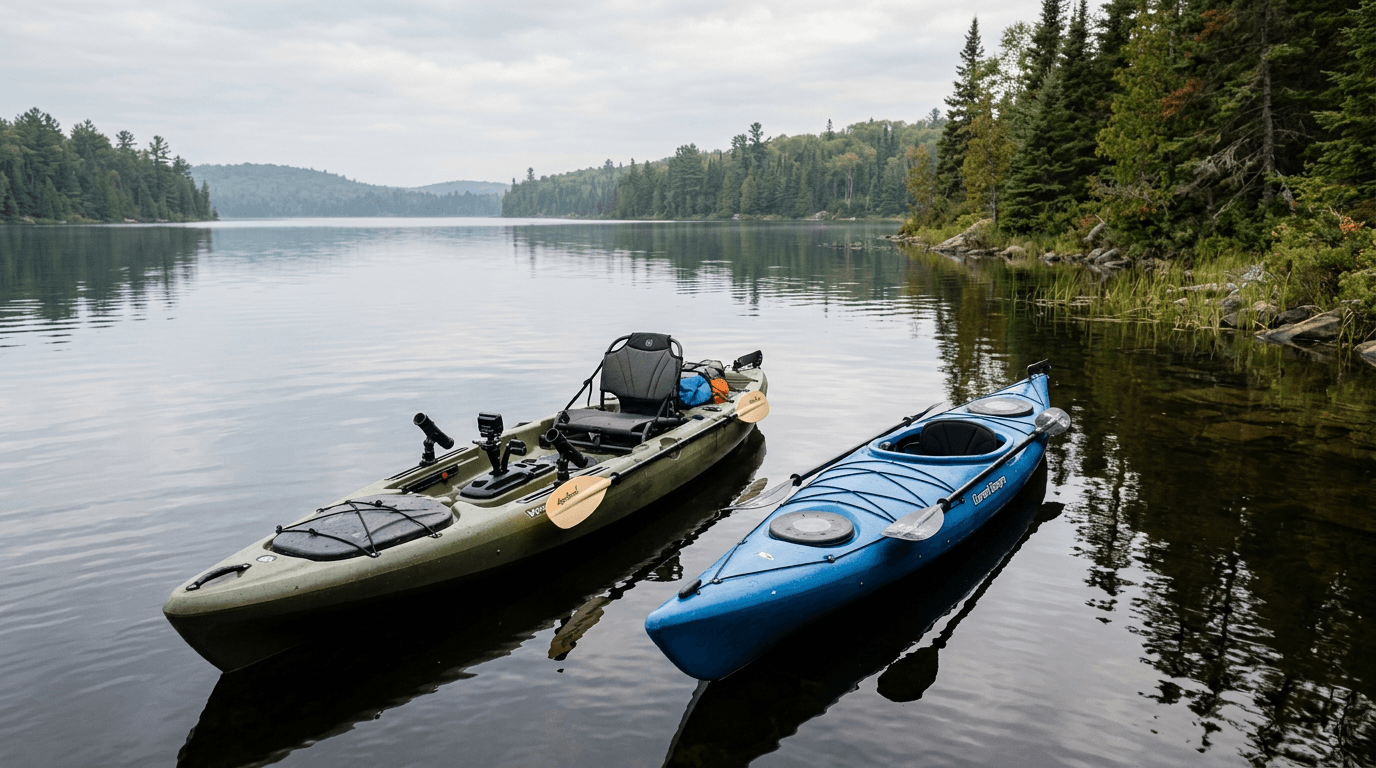
Angler Kayak vs Regular Kayak: 7 Key Differences That Change How You Fish
Angler kayak vs regular kayak — the real functional differences in stability, storage, speed, and cost. Plus whether your regular kayak is worth converting.
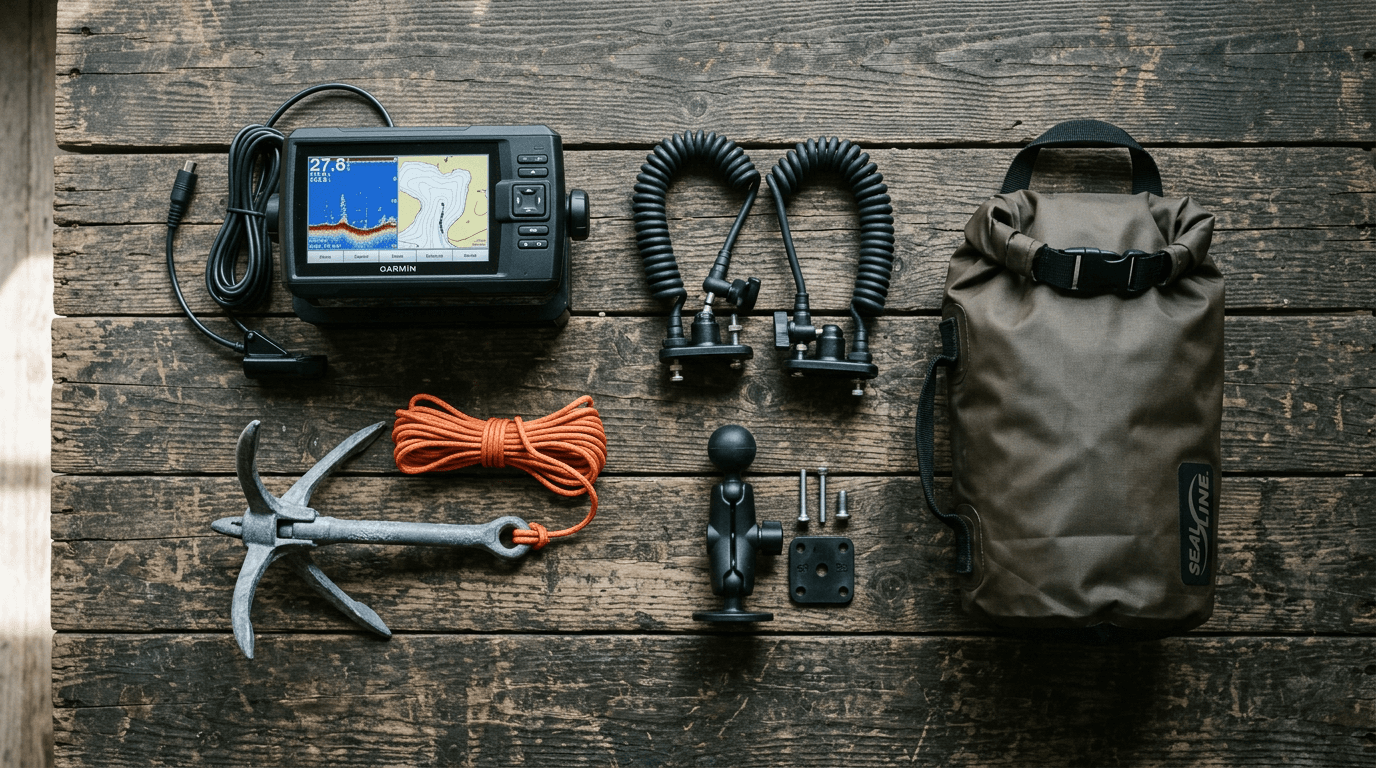
Fishing Kayak Attachments: The Complete Rigging and Mounting Guide
Best fishing kayak attachments explained — track systems, rod holders, fish finder mounts, anchors, and storage. What to buy, where to mount it, and how.
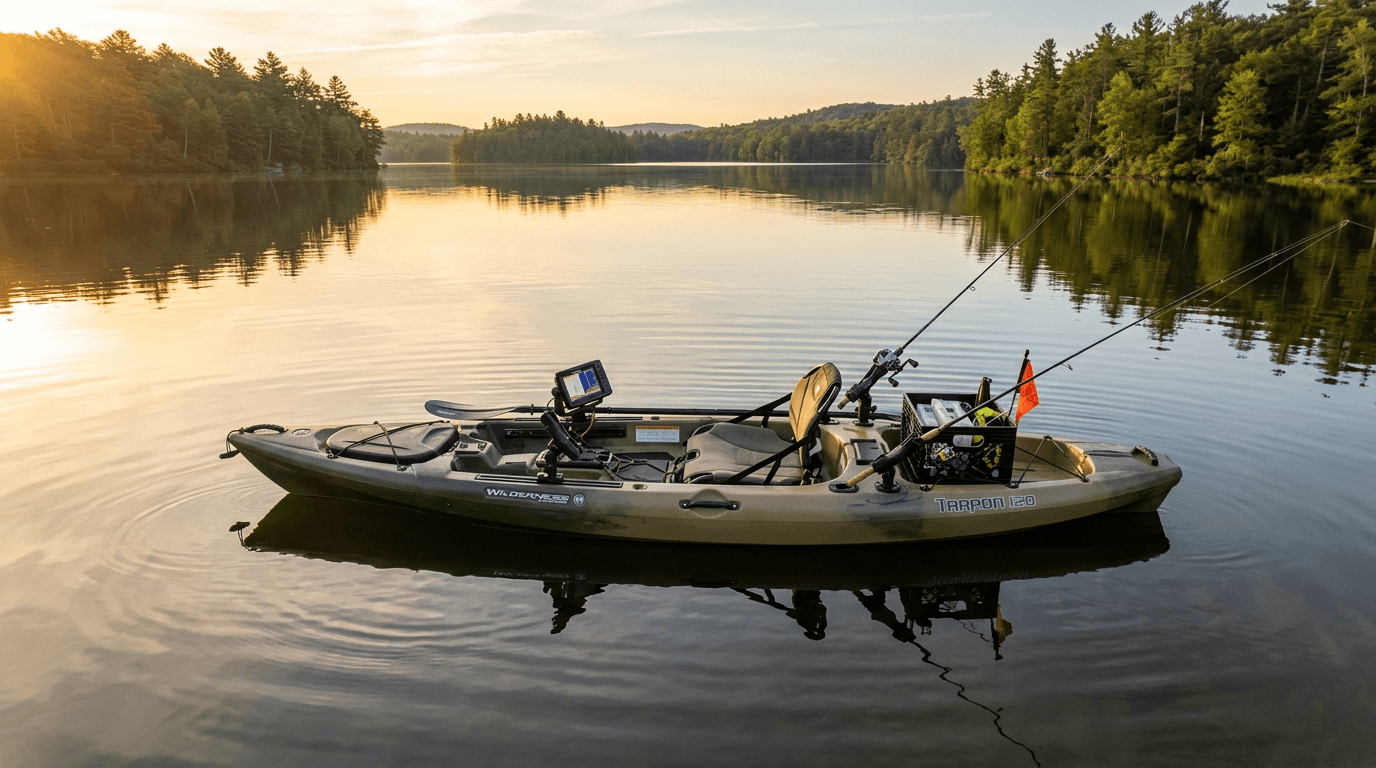
Kayak Fishing Accessories: What to Buy First, What to Skip, and How to Build the Right Setup
Which kayak fishing accessories are worth buying? We break down every category by priority and budget — rod holders, anchors, fish finders, and more.